

NIA CHARLESTOWN, NEVIS (June 02, 2026) – Nevis has achieved a landmark milestone in science, education, and innovation with the successful launch of the first space life sciences experiment from the Caribbean region, positioning the Federation of St. Kitts and Nevis among a growing community of nations contributing to global space research.
The experiment was launched on May 31, 2026, aboard the SSC SubOrbital Express SIX-5/M17 mission from Esrange Space Center in Kiruna, Sweden. The groundbreaking project was developed through a partnership involving the Ministry of Education in Nevis, the University of Zurich (UZH), and the Center for Space and Aviation Switzerland and Liechtenstein (CSA).
The mission marks a historic achievement not only for Nevis but for the wider Caribbean, demonstrating that small island states can play meaningful roles in cutting-edge scientific research and technological advancement.
The experiment seeks to better understand how changes in gravity affect human immune cells, examining the impact of microgravity and hypergravity on gene expression and cellular function. The findings are expected to contribute to international research on human health during spaceflight and long-duration missions.
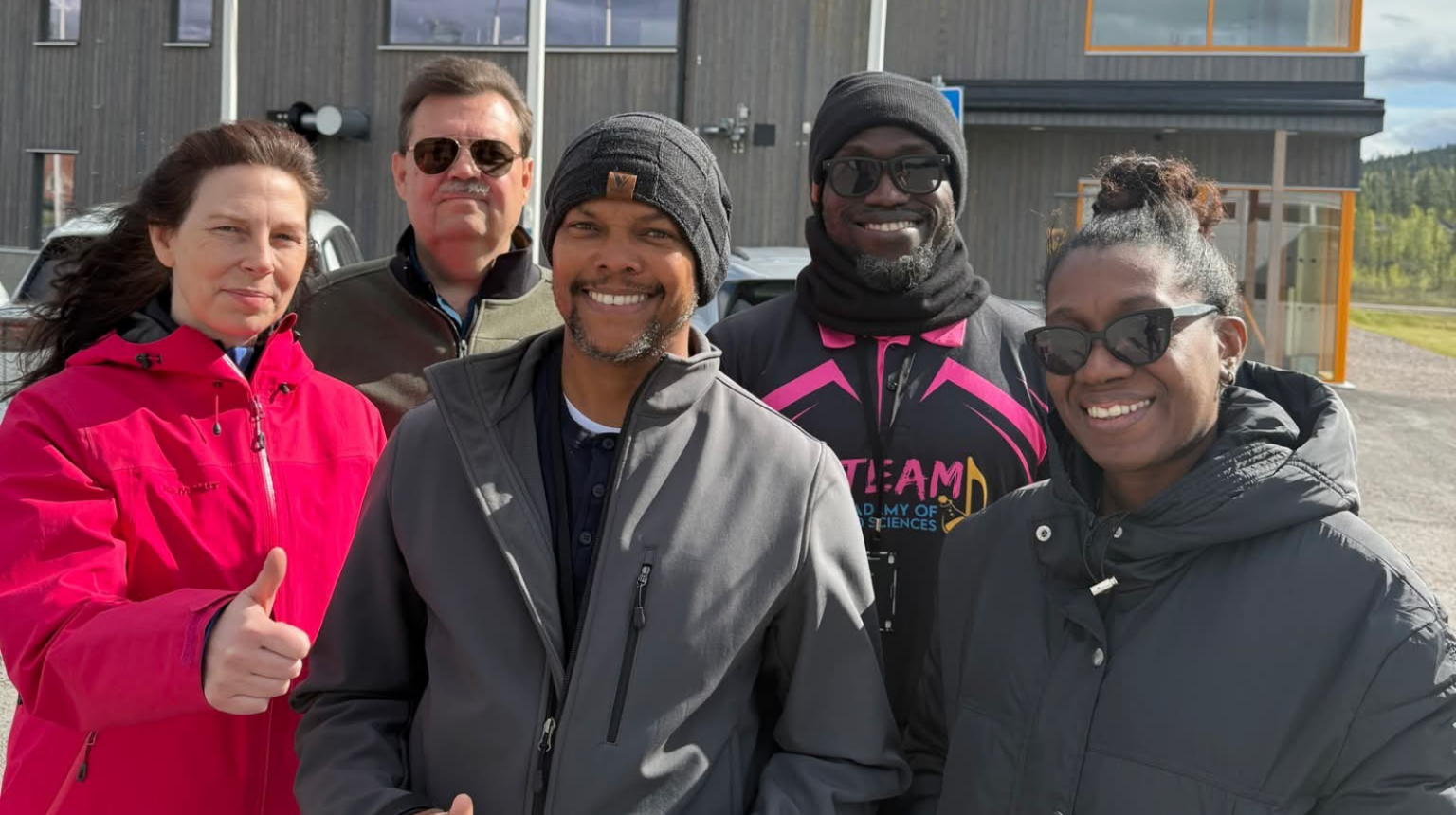
Beyond its scientific significance, the initiative represents years of investment in education, capacity building, and international collaboration. Four science teachers from Nevis were selected to work alongside leading international scientists to design and implement the experiment, gaining hands-on experience in space research and advanced scientific methodologies.
The project has also yielded lasting benefits for the local education sector. Through the collaboration, teachers and students have been exposed to real-world scientific research, while new laboratory facilities and research capabilities have been established within the Federation. The initiative has strengthened STEM (Science, Technology, Engineering, and Mathematics) education by creating direct links between classroom learning and global scientific exploration.
Officials noted that the mission demonstrates the power of strategic partnerships and highlights the potential of Nevisian educators and students to contribute to scientific innovation on the world stage.
The successful launch also places St. Kitts and Nevis firmly on the map as an emerging participant in the global space economy. By engaging in international space research, the Federation is creating new opportunities for scientific collaboration, educational development, workforce training, and technological innovation.
As the experiment progresses and data are analyzed, researchers, educators, and students in Nevis will have the opportunity to engage with findings that could contribute to a deeper understanding of human biology in space while inspiring the next generation of Caribbean scientists, engineers, and innovators.
This historic achievement stands as a testament to what can be accomplished through vision, collaboration, and a commitment to expanding opportunities for young people through science and education.
END
Discover more from SKN PULSE
Subscribe to get the latest posts sent to your email.