

Charlestown, Nevis — The Nevis Historical & Conservation Society (NHCS) has secured US$52,000 in funding to digitize and preserve the island’s archival heritage, marking a significant step forward in safeguarding Nevis’ historical records for future generations.
The project is funded by the Government and People of Japan through UNESCO’s Memory of the World Programme, with implementation support from the UNESCO Regional Office for the Caribbean and the St. Kitts and Nevis National Commission for UNESCO.

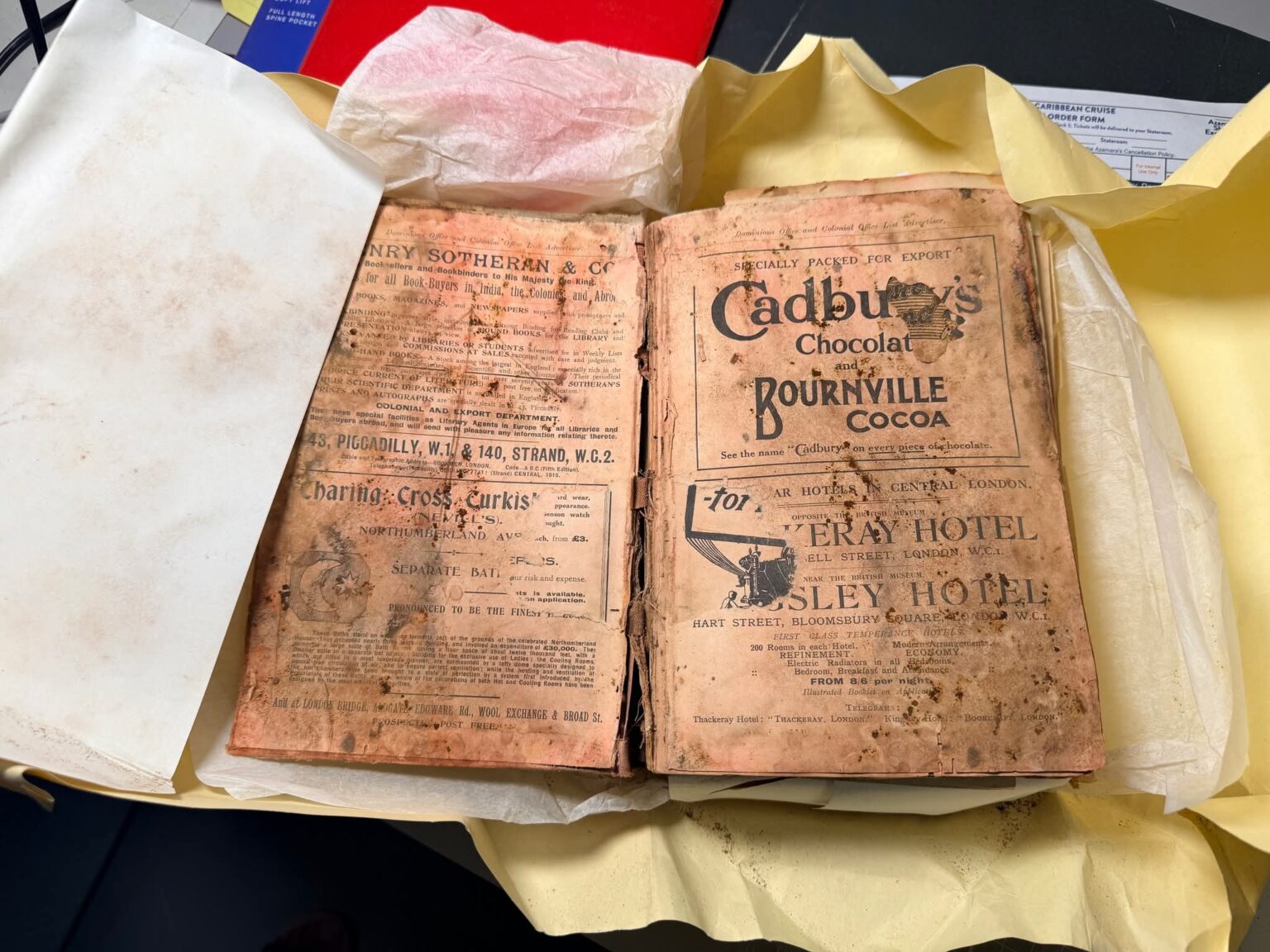
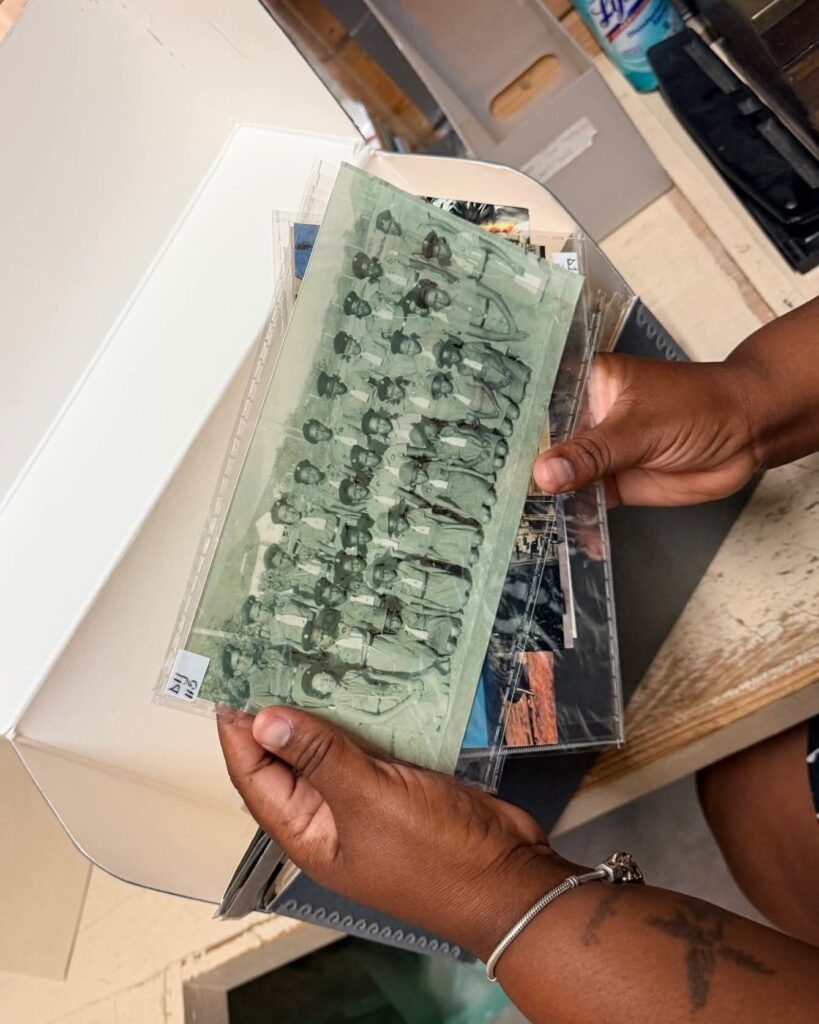
This initiative will focus on protecting vulnerable documents, photographs, and historical records housed at the Nevis Island Archives, which face increasing threats from climate change, humidity, and natural disasters. By digitizing these materials, the project will not only preserve them but also expand public access for education and research.


Key project activities include:
Digitization of priority archival materials
Creation of detailed metadata for improved access
Training of local staff in archival preservation techniques
Enhancement of long-term digital storage systems
Collaboration with Nevisian visual artist Stacey Tyrell to support local capacity-building
Founded in 1980, NHCS manages the Nevis Island Archives, the Museum of Nevis History, and the Alexander Hamilton Museum, playing a central role in preserving and promoting the island’s cultural heritage.
Terysia Herbert, Executive Director of NHCS, noted:
“Nevis has lost important records over time. Digitisation helps secure what remains and makes it accessible for future generations.”
Eric Falt, UNESCO Representative, added:
“This project protects vital archives while expanding access for education and research. It is a step from vulnerability to resilience.”
H.E. Nerys Dockery, Secretary General of the National Commission for UNESCO, emphasized:
“This support strengthens national efforts to preserve Nevis’ documentary heritage and reflects strong international partnership.”
The initiative forms part of UNESCO’s broader mission to safeguard documentary heritage globally, ensuring that historical records—particularly those at risk—are preserved, accessible, and protected for generations to come.
NHCS will begin implementation in the coming months and will provide updates to the public as the project progresses.
Discover more from SKN PULSE
Subscribe to get the latest posts sent to your email.