



By: Contributor
Caribbean youth leaders used the 2026 ECOSOC Youth Forum at the United Nations to deliver a clear message: young people must be recognized not as problems to be solved, but as partners in shaping the region’s future. At the forefront of that call was Ambassador Dr. Lucien York of St. Kitts and Nevis, whose intervention placed inclusive, Caribbean-rooted innovation at the center of the development agenda.

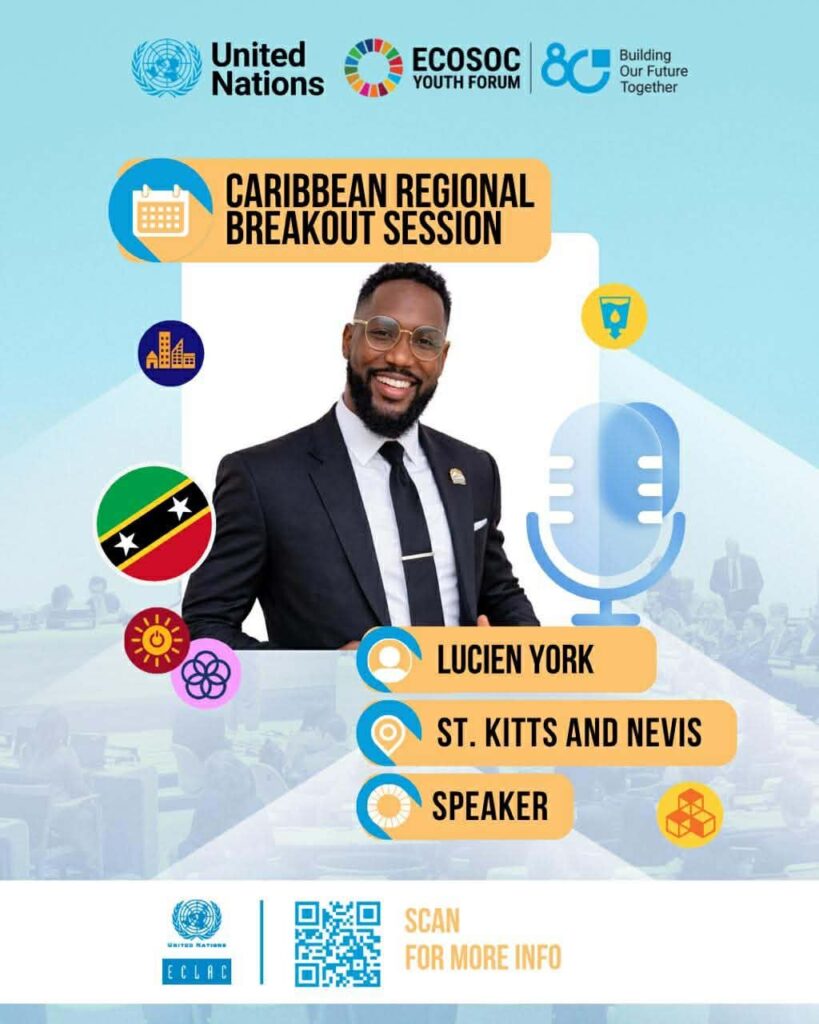

Dr. York, who serves as the SKNRA Ambassador with responsibility for Sint Maarten and is a leading voice and advocate for persons who are differently abled, argued that the region stands at a defining moment.
“The Caribbean stands at a defining moment in its development trajectory,” he said. “Innovation in our region must be Caribbean-specific and island-contextualized. When solutions are not rooted in our realities, we are not being innovative—we are being invasive.”
He warned that while support the use of artificial intelligence and emerging technologies present opportunities, they can also deepen inequality if inclusion is not intentional. “If we do not consider persons with disabilities in the design process, we risk widening existing gaps,” Dr. York stressed.
Central to his contribution was the concept of youth mainstreaming, which he described as a best practice for sustainable development—ensuring young people are embedded in policy design and decision-making, rather than consulted after the fact.

Dr. York also highlighted the impactful work of the St. Kitts and Nevis Robotics Association (SKNRA) and its collaboration across the OECS Robotics Association. A flagship initiative, the OECS Super Regional Robotics Challenge, brings together young innovators from across the Eastern Caribbean—including St. Maarten, St. Martin, St. Lucia, St. Vincent and the Grenadines, Jamaica, and St. Kitts and Nevis—to engineer solutions to real-world problems.
The broader Caribbean Regional Breakout Session, co-moderated by Antigua and Barbuda’s Esquire Henry and the Bahamas’ Amber Turner, drew on outcomes from the Caribbean Youth Dialogue, coordinated with the Economic Commission for Latin America and the Caribbean (ECLAC) Sub-Regional Headquarters.
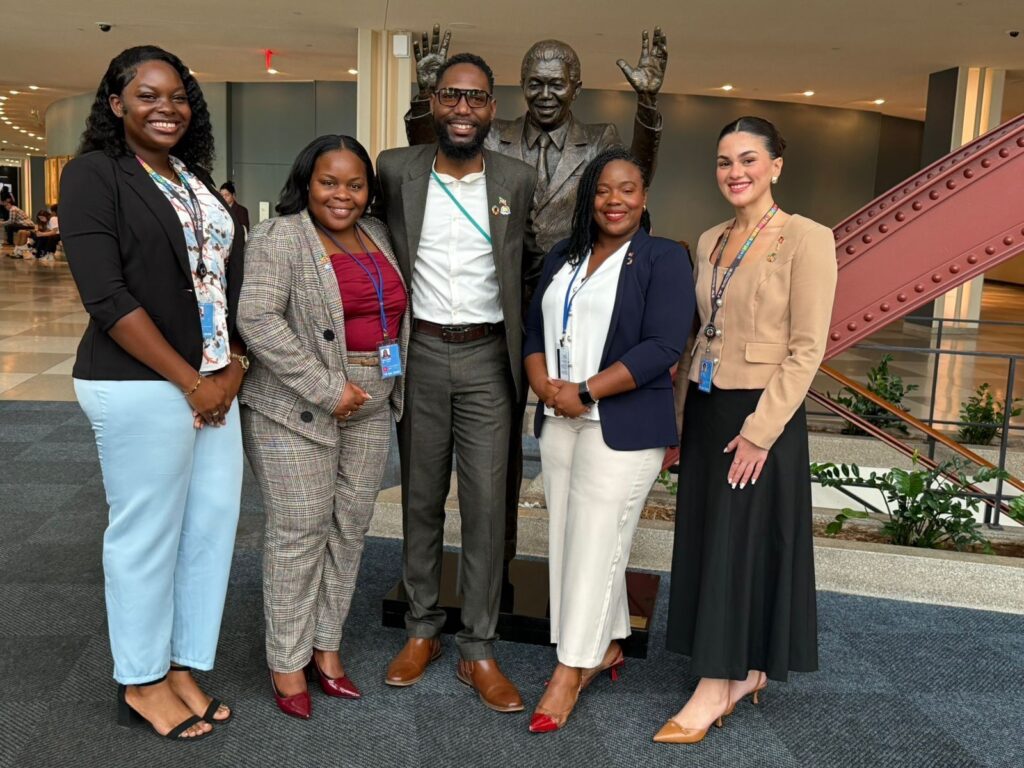
Setting the tone for the discussion, Bahamas National Youth Ambassador Liam Miller presented sobering data from ECLAC’s 2026 report on the 2030 Agenda. He noted that only 19 percent of Sustainable Development Goal targets are on track, while 42 percent are progressing too slowly and 39 percent have stalled or reversed.
“Caribbean youth are not raising these issues simply to make noise,” Miller said. “We are raising them because the road to 2030 demands more than talk.”
From Antigua and Barbuda, National Youth Ambassador Kristine Louisa emphasized the urgency of building sustainable cities and communities. Referencing data showing that over 70 percent of the Caribbean’s population lives in urban areas, she called for institutionalizing youth participation in urban governance, expanding climate-resilient public spaces, improving waste management, and scaling renewable energy.
“For small island states like Antigua and Barbuda, sustainable communities are not an aspiration, they are a necessity, and we are choosing to build them intentionally,” Louisa stated.
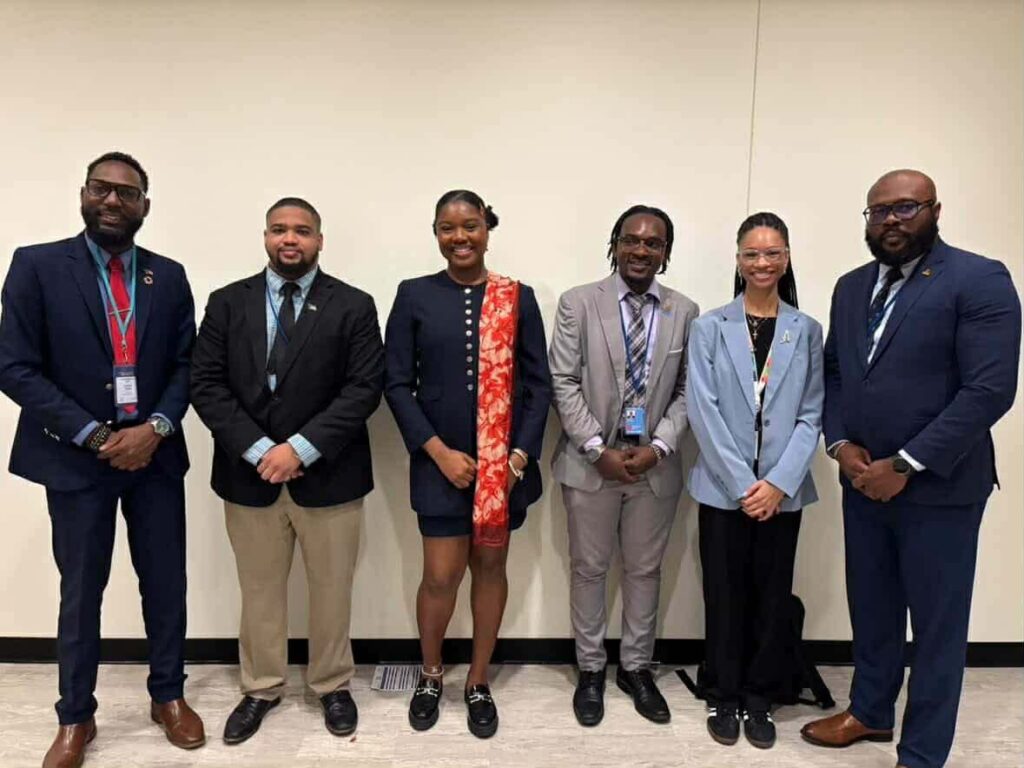
While the forum featured a range of perspectives, Dr. York’s message stood out as a defining call to action—urging Caribbean leaders to embrace innovation that is inclusive, culturally grounded, and driven by the lived realities of its people.
As discussions continue toward the 2030 deadline, Caribbean youth made one thing clear: they are not waiting to be invited into the future—they are already building it.
Discover more from SKN PULSE
Subscribe to get the latest posts sent to your email.